
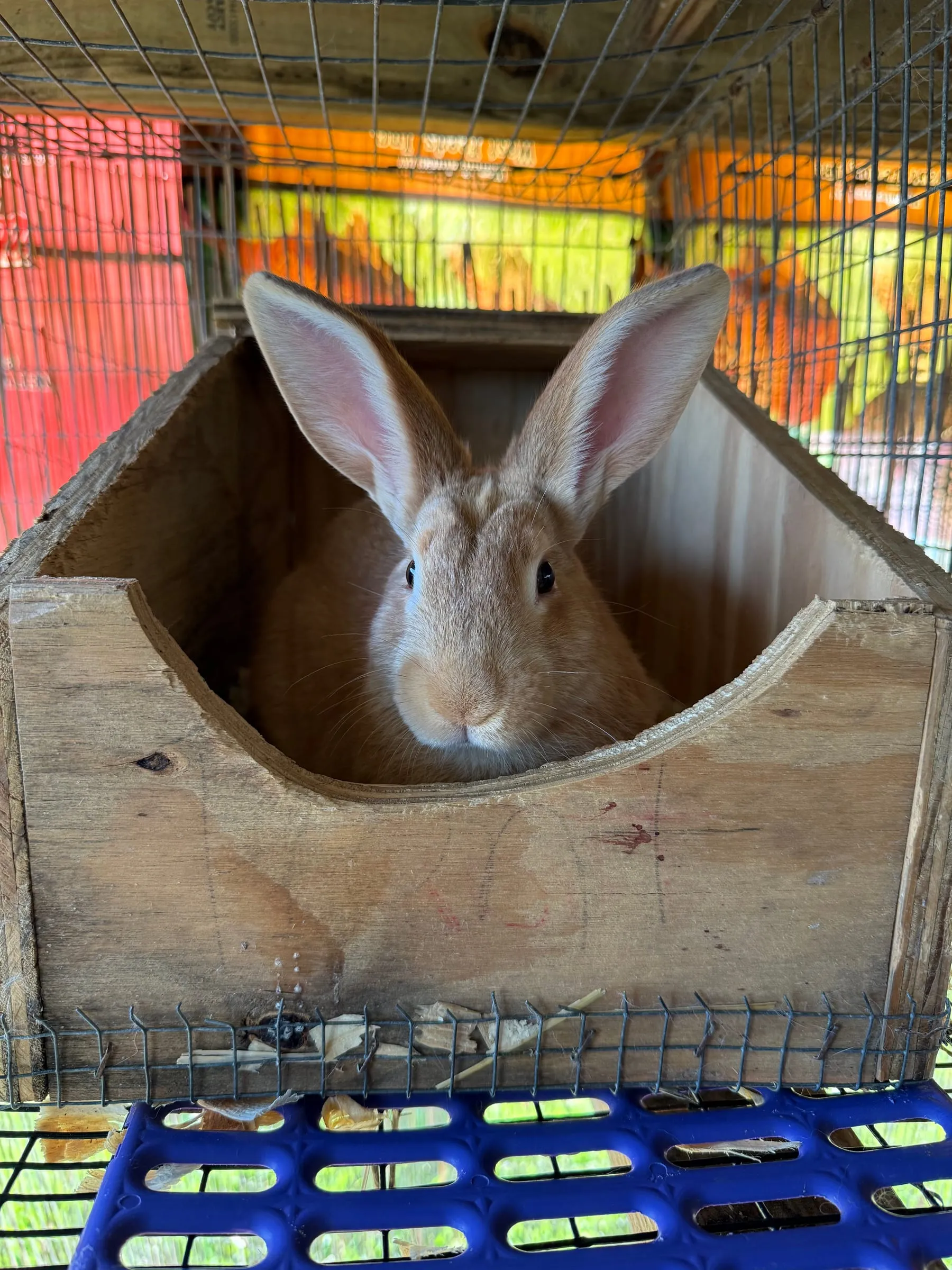
The weather is finally beginning to cool near West, Texas, and that means it is time to start our fall breeding season in the rabbitry.
We raise TAMUK Composite rabbits, a line connected to the rabbit program at Texas A&M University–Kingsville. They were developed as practical backyard meat rabbits, with attention given to steady production in hot, humid climates. That background matters to us because Texas heat shapes so much of the year. Even with rabbits suited to our region, we prefer to settle into our breeding rhythm once the worst of the heat has passed.
A steady fall rotation
Our breeding herd includes six does and one buck. Instead of breeding all six does at once, we divide them into three pairs. We breed the first pair one week, the second pair the next week, and the third pair the week after that.
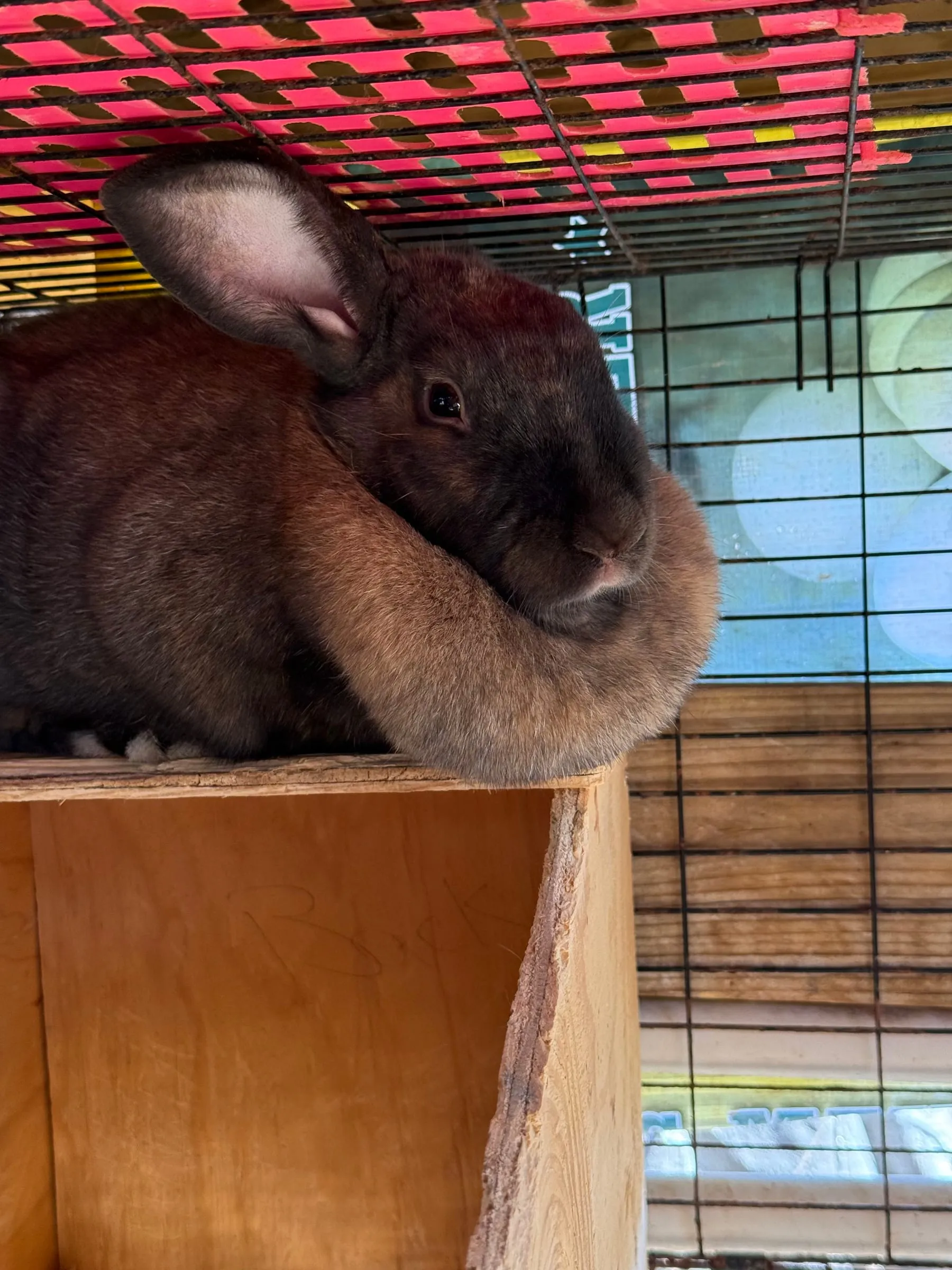
— Every fall, we work through the breeding pairs one week at a time.
By the fourth week, the first pair is getting close to kindling. The next two pairs follow week by week. Three weeks after each pair kindles, we breed that pair again and continue the rotation through the fall.
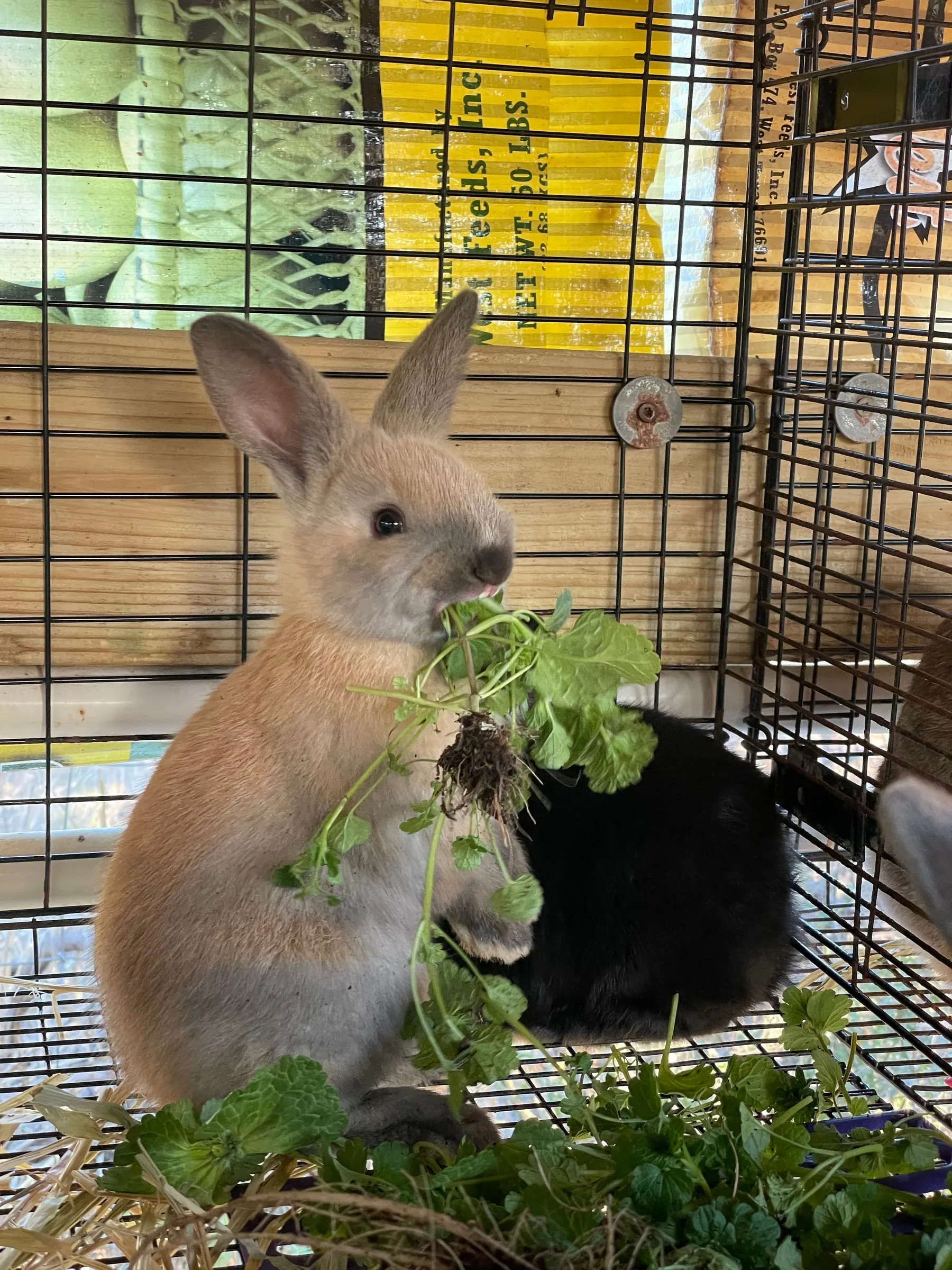
— The rabbitry moves in a steady rhythm once the weather begins to cool.
That staggered schedule gives us a steadier flow of work and litters instead of having everything happen at once. It helps us raise rabbits for several purposes: some to sell, some to fill our own freezer, and some to share with families who need them. It is a practical system, but it is also part of the stewardship of the farm—planning ahead, paying attention to the season, and making good use of what we raise.
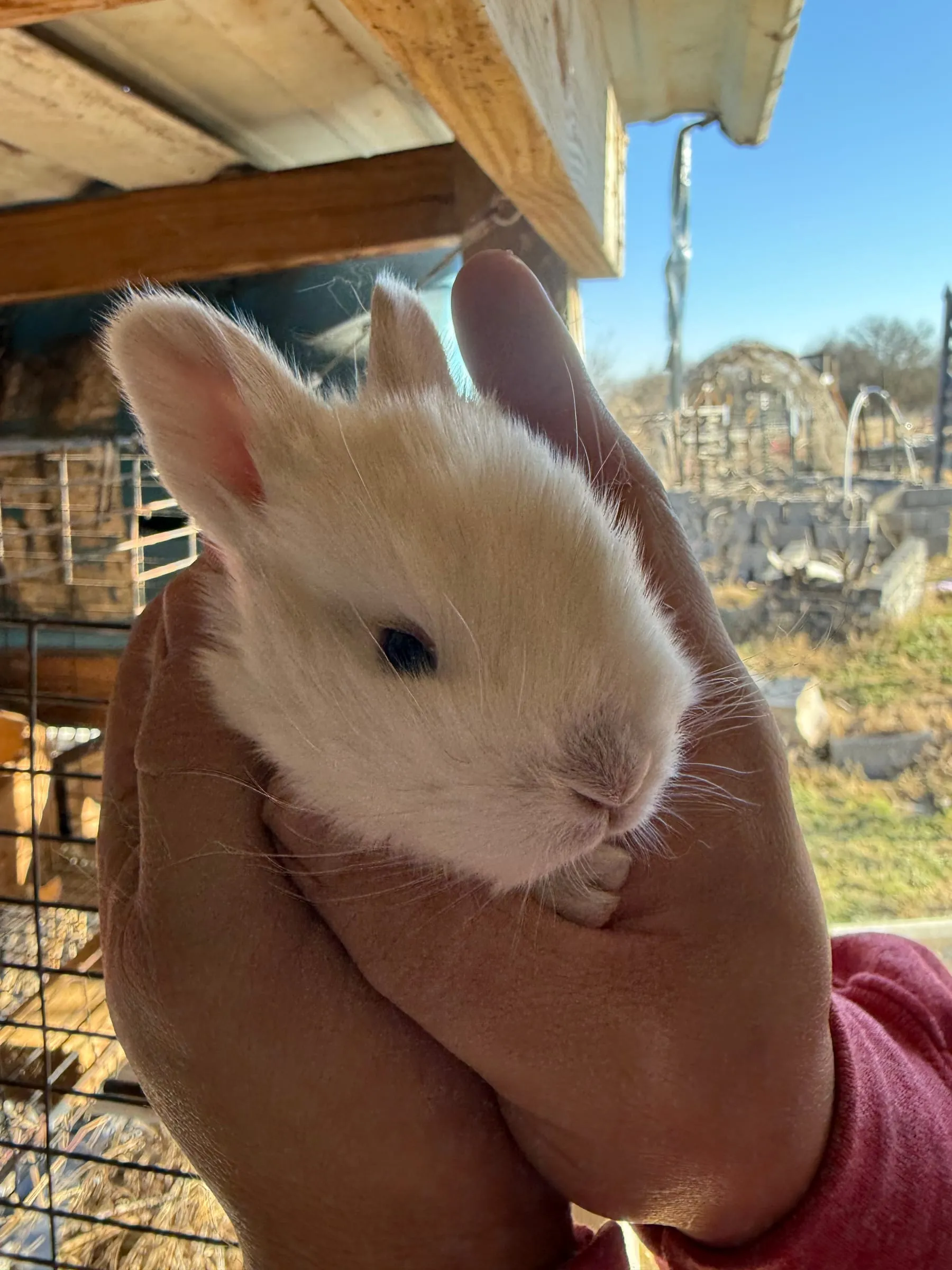
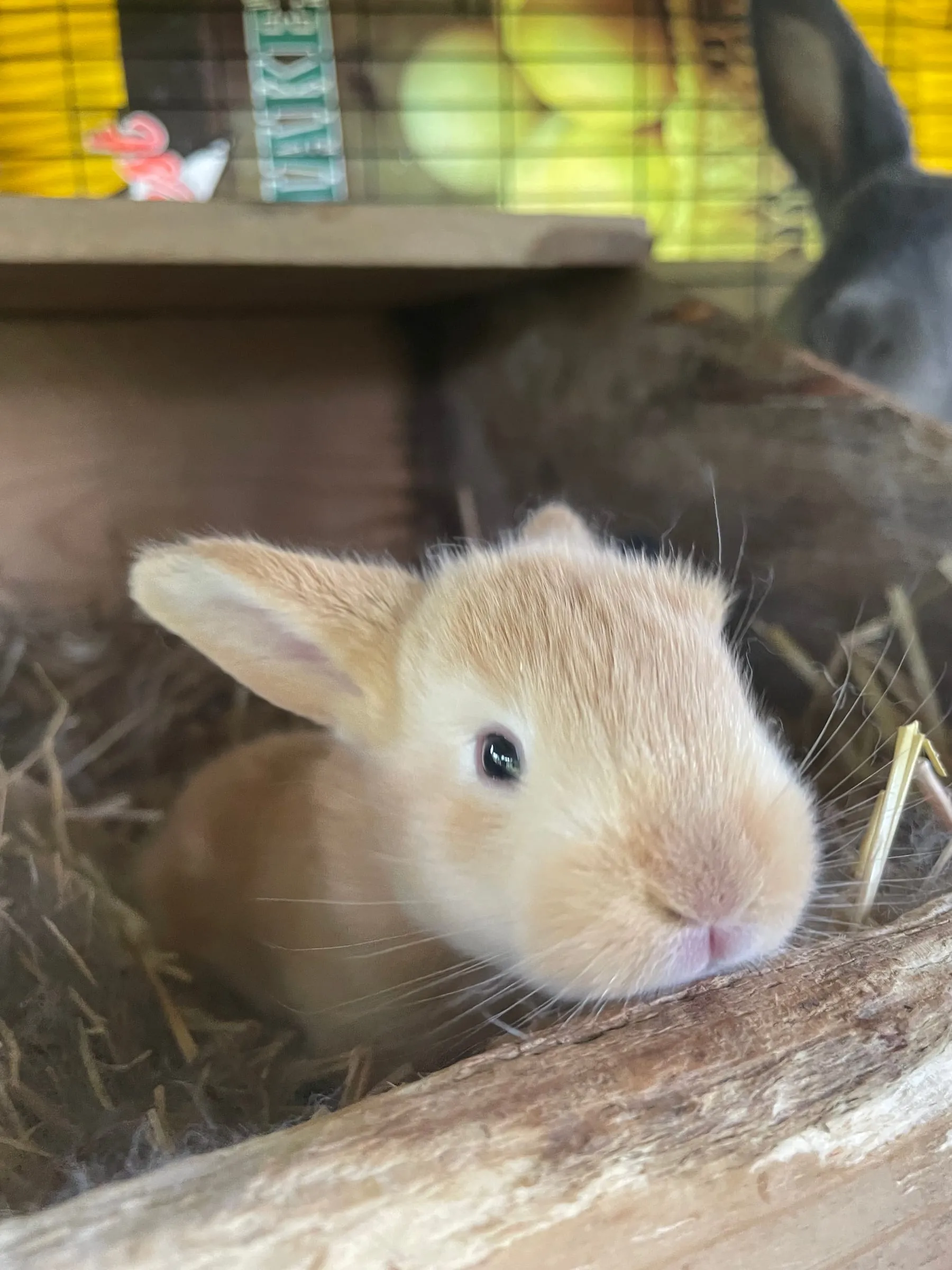
— One of the young rabbits growing in our care this season.
Getting the nest boxes ready
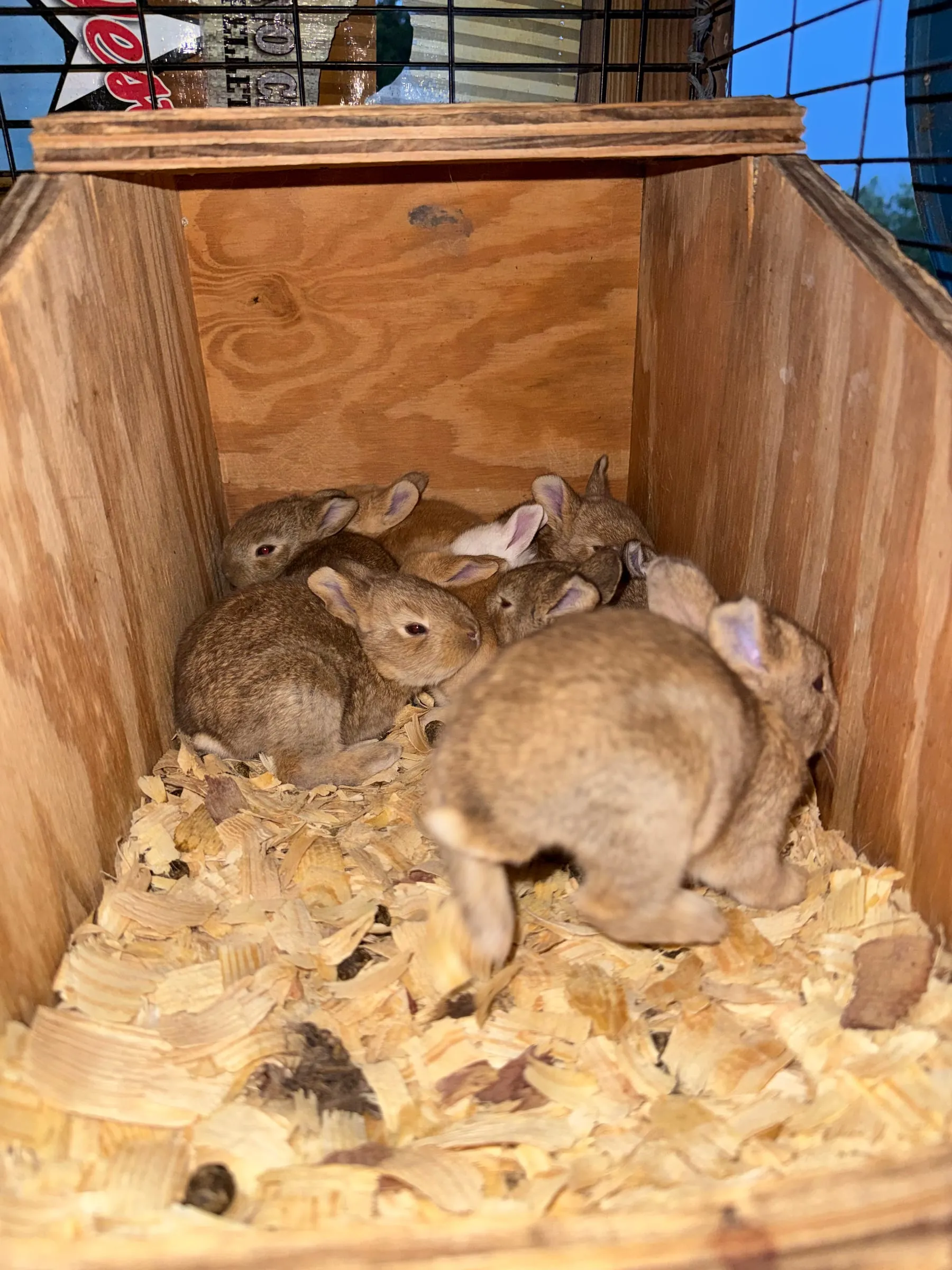
On October 23, we will fill the nesting boxes with straw. Around that time, the does should begin pulling fur and arranging their nests. If everything stays on schedule, we expect the first kits of the 2026–2027 breeding season to arrive on October 27 or 28.
— We fill the nest boxes with straw a few days before the first litters are due.
There is always a little anticipation in those last few days. We can prepare the boxes, watch the calendar, and keep an eye on each doe, but the rest unfolds in its own time. Before long, the quiet boxes should be full of new life, with the next litters following one week at a time.
— Staggering the breeding means the litters arrive week by week instead of all at once.